500+
production scans per day
Tesla Android workflow used by operators for cell-material verification at Giga Texas.
Dhruva Shekdar
I build AI systems for real-world constraints: offline execution, efficient model adaptation, operator-facing workflows, and robotic perception.
500+
Tesla Android workflow used by operators for cell-material verification at Giga Texas.
95%+
Reported for JoLA fine-tuning of Llama-3.2-1B in Critical ML Lab experiments.
89,768
Prepared for the Mini-DLSS temporal video super-resolution training pipeline.
01 / Experience
Production AI, language-model research, factory-floor software, and robotic perception.
2026
AI / Machine Learning Intern, A.I. Team
Developed resilient in-vehicle AI infrastructure spanning offline inference, audio ingestion, and structured vehicle-tool invocation.
Python · ONNX Runtime · MCP · On-device AI

2026 - present
Undergraduate Machine Learning Researcher
Researching parameter-efficient model adaptation, model evaluation, and reproducible experimentation for language models.
PyTorch · LLM evaluation · JoLA · W&B
May - Sep 2025
Software Developer Intern, Cell Material Flow
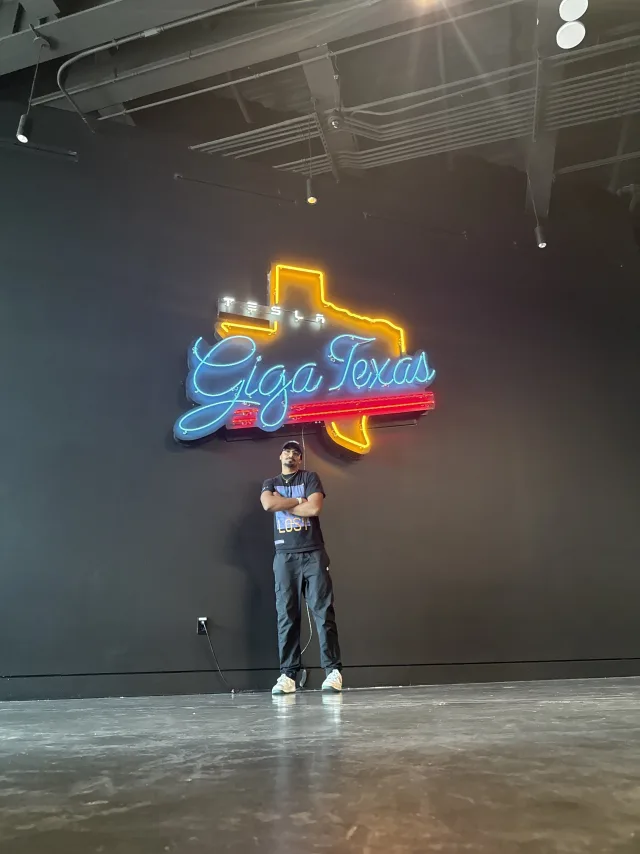
Built offline-first Android software for high-volume material verification workflows at Giga Texas.
Kotlin · Java · Android · gRPC · MVVM
2026 - present
Machine Learning Engineer, Humanoid Robotics
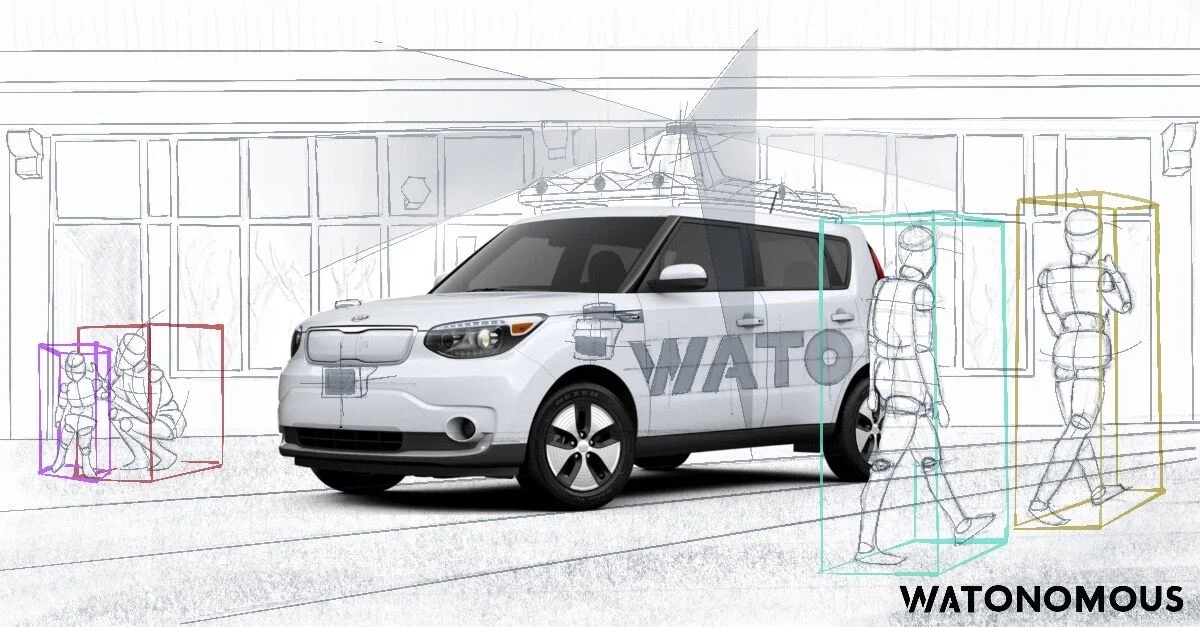
Developing visual perception for autonomous keyboard interaction in a ROS-based humanoid robotics stack.
PyTorch · CUDA · RGB-D · ROS · YOLO
02 / Selected work
A focused set of projects selected for technical depth, measurable evaluation, and real-world integration.
Case study 01
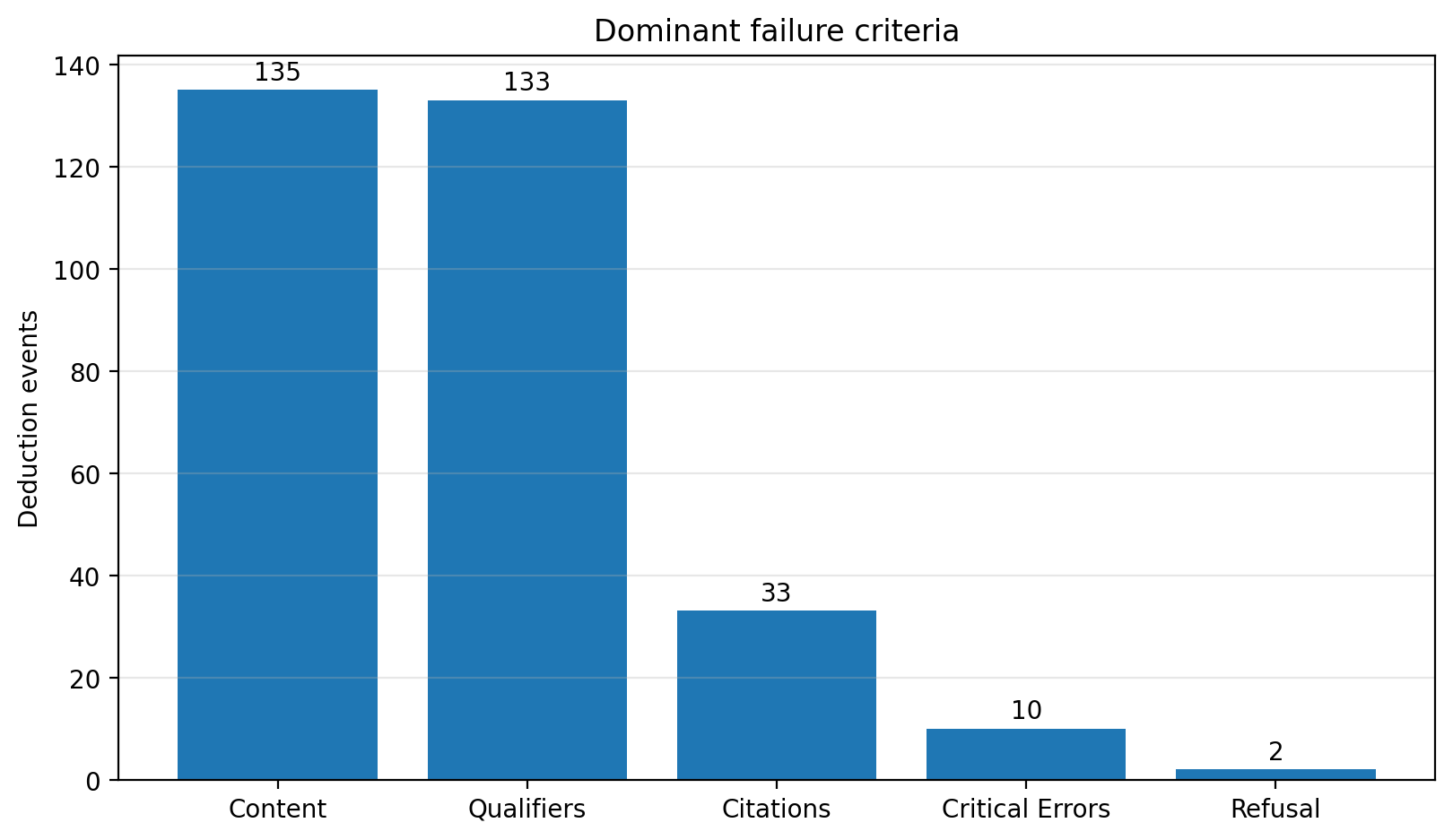
LLM evaluation and grounded clinical QA
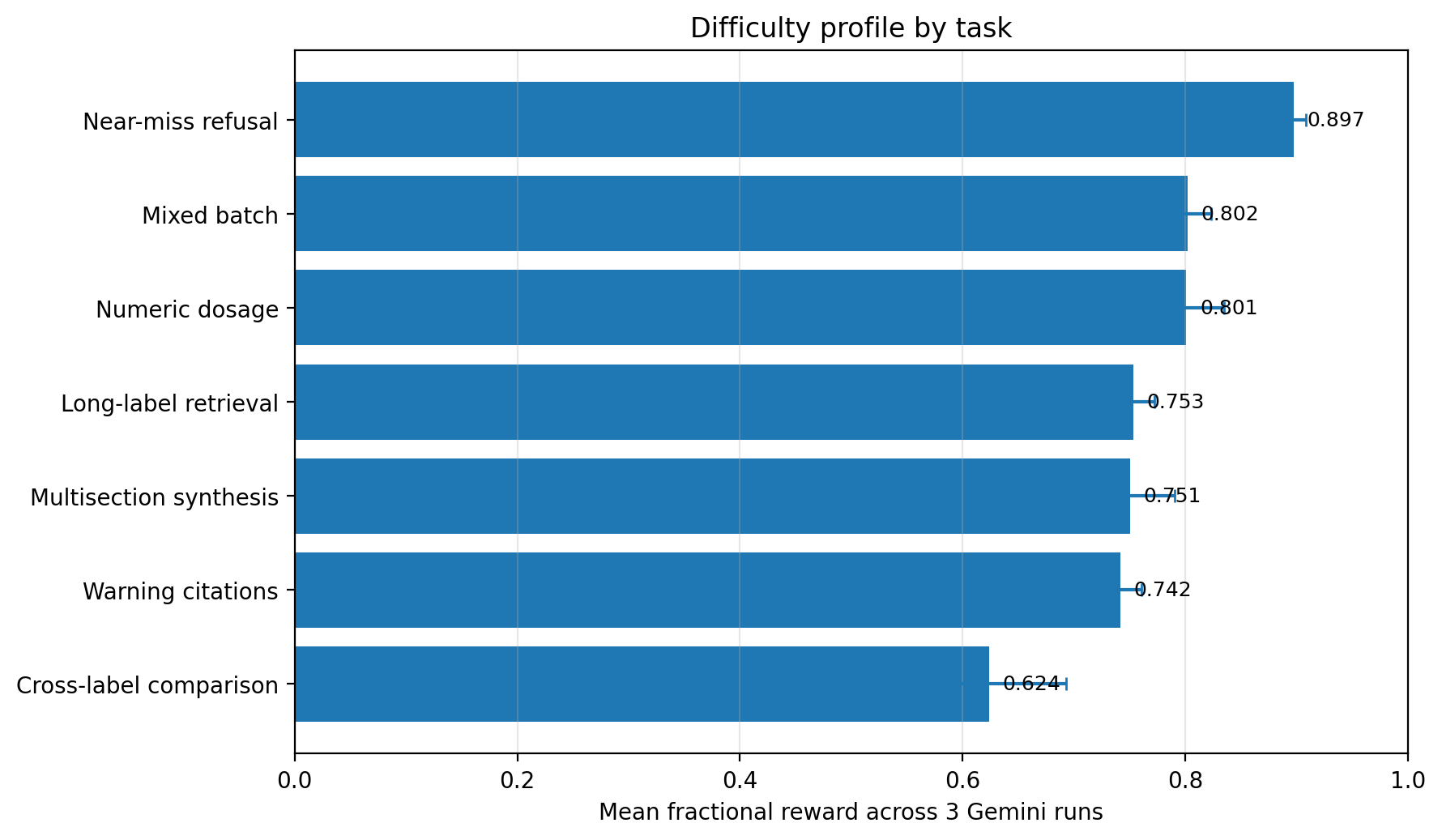
An evidence-first benchmark for testing whether LLM agents can reason over FDA drug labels without losing citations, qualifiers, or refusal discipline.
Profiled the source corpus, built 12 Harbor task suites with hidden deterministic verifiers, introduced fractional scoring, and analyzed model failures across retrieval, dosage, synthesis, comparison, and refusal tasks.
Python · Harbor · LLM evaluation · Gemini
Case study 02
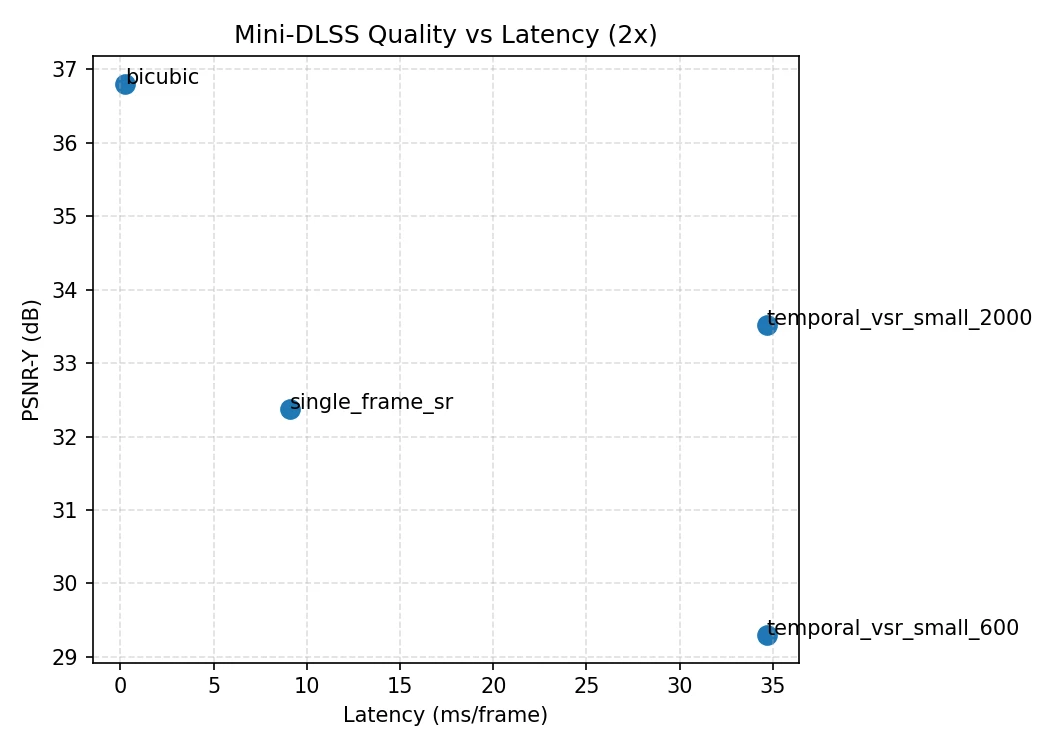
Temporal video super-resolution
A compact BasicVSR-style pipeline for reconstructing high-resolution video from multi-frame context.
Built the data preparation, temporal model training, quality evaluation, and CPU latency benchmarking pipeline to study quality, temporal stability, and model-size tradeoffs.
PyTorch · ONNX · OpenCV · Vimeo-90K

Case study 03
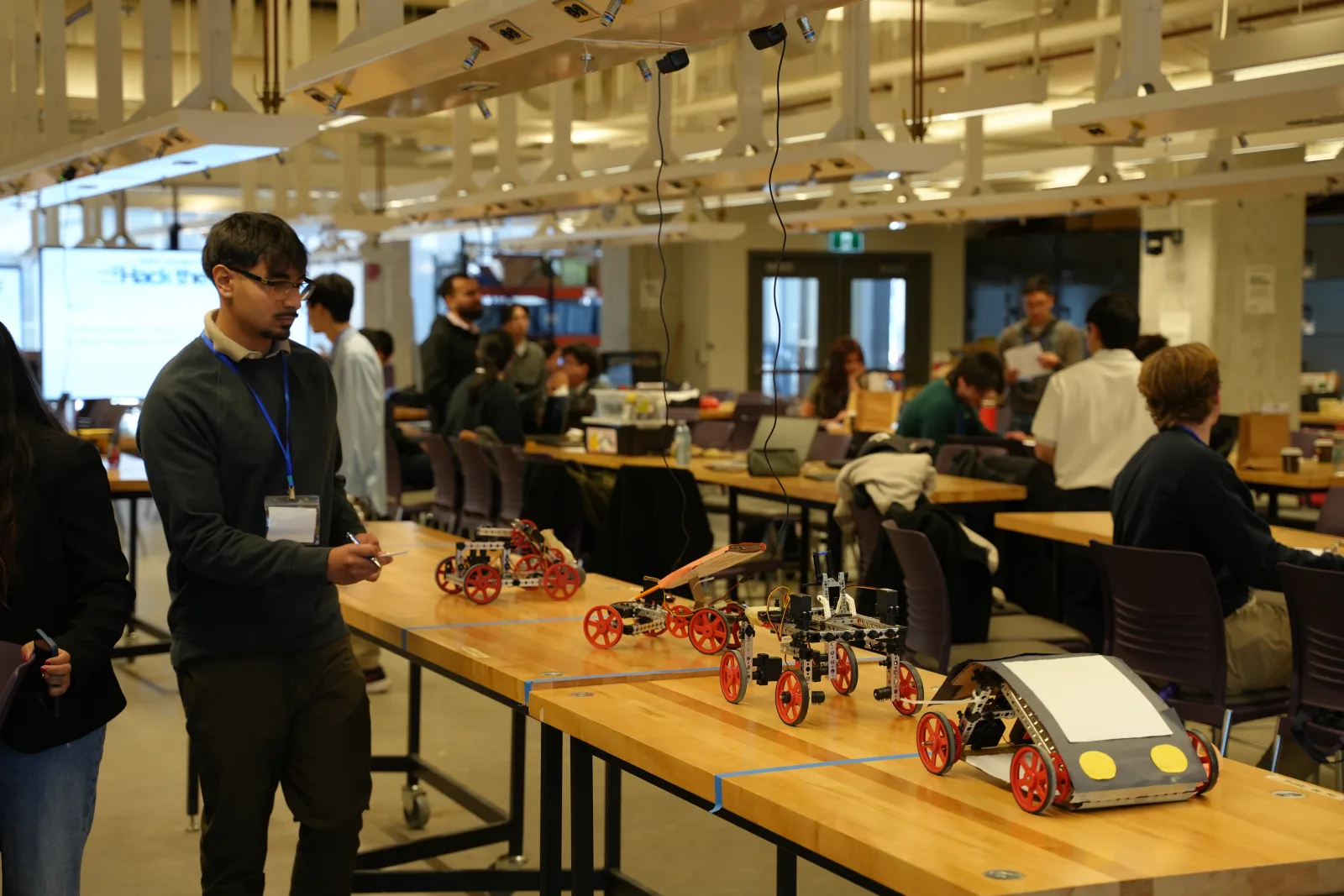
Autonomous vehicle perception and control
A first-place hackathon system that connected visual perception to an autonomous vehicle control stack.
Trained stop-sign and traffic-light perception models, then converted detections into desired-speed overrides consumed by an existing Simulink controller.
Python · YOLO · MATLAB · Simulink
03 / About
I study Mechatronics Engineering at the University of Waterloo with an Artificial Intelligence option. My work sits where model behavior meets system constraints: latency, offline operation, noisy sensor input, hardware integration, and measurable user outcomes.
I am most useful on teams building AI products that must work outside a notebook, especially robotics, autonomy, on-device inference, computer vision, and ML infrastructure.
04 / Contact
I am interested in ambitious engineering teams working across AI, robotics, autonomy, and high-performance software.